
Photo Storage 101
We’ve all got that old box of photos sitting under our bed, in a closet, or in the basement. Some of us have several of those boxes! We keep them with good intentions. “We’ll go through them someday, I’m glad to just have them around.” But time doesn’t wait.
Even without a major accident, your photos quietly change. Edges curl, colors fade, and small scratches can turn into permanent damage. What feels safely stored today can look very different a year or two from now. The real question then becomes: what can you do to protect your memories from the passage of time?
Well, the most permanent solution is to get all of your items digitized, preferably by a company like ours! But I digress. If digitization isn’t an immediate option, here are steps you can take to keep your photos and videos in better shape until they do get digitized.
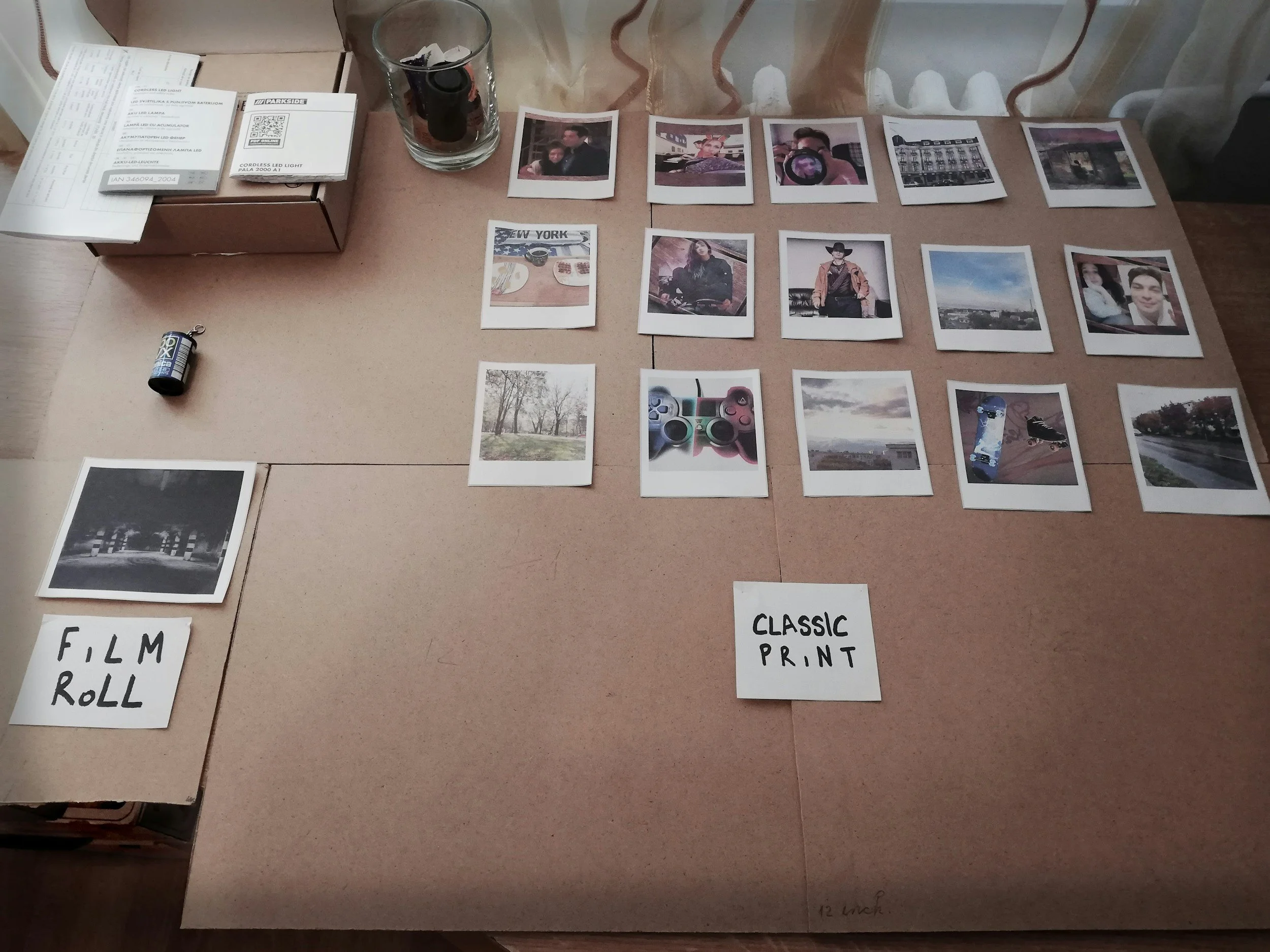
For your photos:
Avoid Adhesives: Photo albums work well if they don’t use adhesives and are stored vertically. Albums bend over time if stored horizontally because of their weight, which will also bend the photos in them.
Humidity is BAD: Keep photos in a location that is cool, dark, and DRY. Water can completely destroy photos beyond restoration in a case like a flood or a water leak. However, even simple humid conditions, like storing them too close to a bathroom, can cause the photo paper to curl and peel, making scanning and restoration more difficult.
Ditch the Cardboard: Store them in high-quality, plastic boxes that are specifically designed for storing photos. Don’t just throw them in a cardboard box. If there’s one thing to AVOID in photo storage, it’s cardboard boxes. They absorb moisture and frequently have a substance in them called lignin, which can suck the colors right out of old photos and papers. Storing photos in cardboard boxes will very likely turn them yellow and brittle.
Short-Term Solutions: Ziploc bags are fantastic for shipping and short-term storage. They protect your photos against the elements outside, but they can also trap trace amounts of moisture inside, which can cause problems over many years. If you use Ziploc bags, be careful not to stuff them full of photos, and lay them flat when you’re done so the photos don’t bend.
Separation is Key: Separate your photos and their negatives. Photos and their negatives can damage each other over time. Make sure you clearly label the container the negatives are in and you’ll be fine.
Plastic Sleeves Help: Plastic photo sleeves can add an extra layer of protection as long as they’re not made with PVC or PVA plastics. This is time-consuming, however, because each sleeve holds exactly one photo. Maybe reserve these for the 8×10 photos hanging on your wall.
If you take these steps now you can buy yourself some time to get your photos digitized. Just remember that while it’s almost never too late, time matters. The sooner you can get your photos digitized, the better.